London Studio Apartment: Creating Zones in 35m²
Initial Challenge
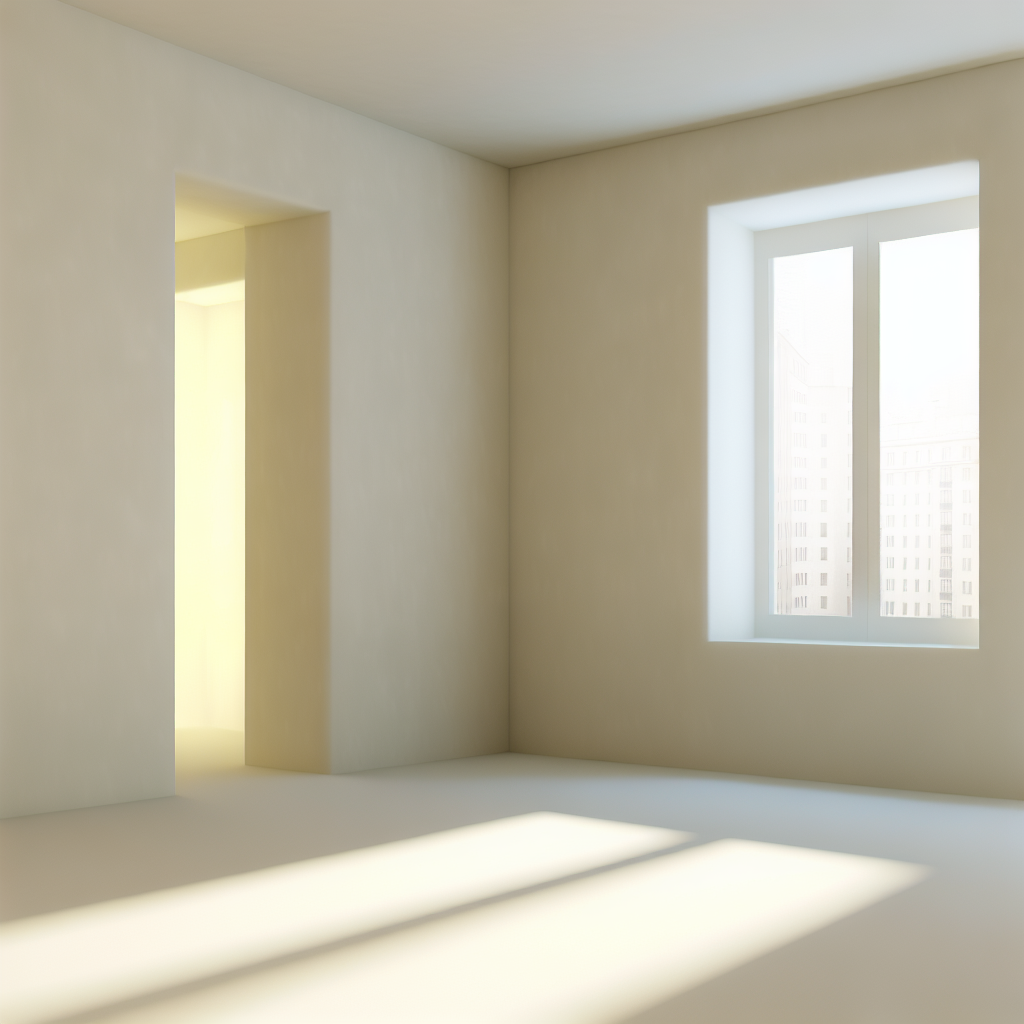
Elena worked from home in a studio apartment above a busy café in central London. External noise from street traffic and the café below made concentration difficult. The open-plan layout meant work noise and living noise bled together constantly.
Interventions
We began with acoustic mapping to identify primary noise sources: street-facing windows (60-70dB during day), floorboards transmitting café activity (45-55dB), and internal sound reflection from hard surfaces.
Strategic changes included heavy thermal curtains on windows, a large area rug with thick padding covering 60% of the floor, and a tall bookshelf positioned to create acoustic separation between work and living zones.
Elena also rearranged furniture to place her desk in the corner furthest from windows and street noise, surrounded by sound-absorbing materials.
Results
Measured noise levels in the work zone dropped from 58dB average to 46dB—enough to transform the subjective experience from "constantly distracted" to "able to concentrate for hours." Elena reports her productivity increased dramatically, and she no longer dreads working from home.
The bookshelf barrier proved particularly effective, creating a psychological boundary that made the sleeping area feel genuinely separate despite the open floor plan.
Semi-Detached House: Neighbor Noise Solution
Initial Challenge
The Patels—two adults and two children—shared a party wall with neighbors who kept irregular hours. Television noise, conversations, and music regularly disturbed their evenings and disrupted children's bedtime routines.
Interventions
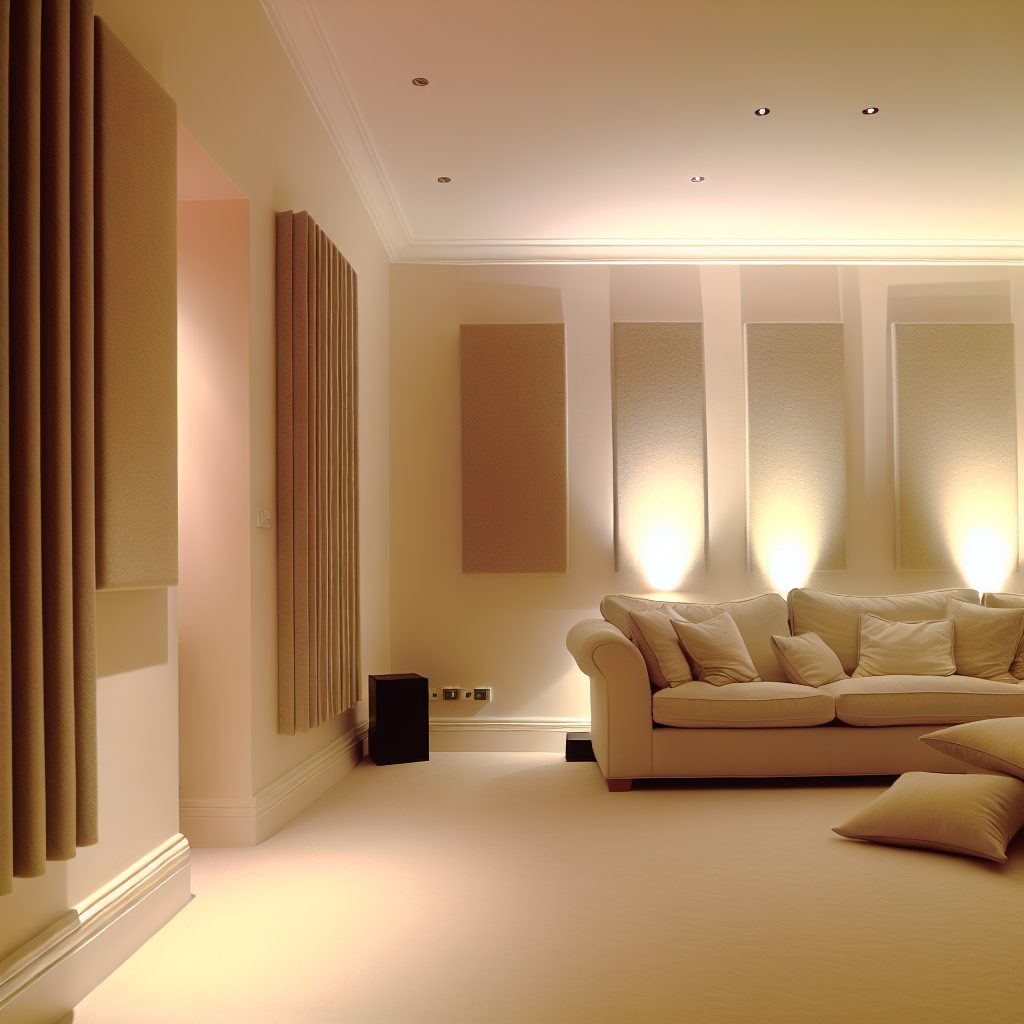
The primary focus was the shared living room wall. We added a full wall of bookshelves filled with books (mass matters), hung a large tapestry for additional absorption, and rearranged the room so the sofa and television faced away from the party wall.
In the children's bedrooms, we moved beds away from the shared wall and added thick curtains even on interior walls for sound absorption. Simple door sweeps on bedroom doors created acoustic isolation from hallway and living spaces.
Results
While neighbor noise remained audible, it no longer dominated the acoustic environment. The Patel children began falling asleep more easily, and evening family time became genuinely relaxing rather than frustrating.
Twelve-month follow-up showed all interventions remained in place, and the family had extended principles to other areas of their home.
Remote Worker: Converting Spare Room to Quiet Office
Initial Challenge
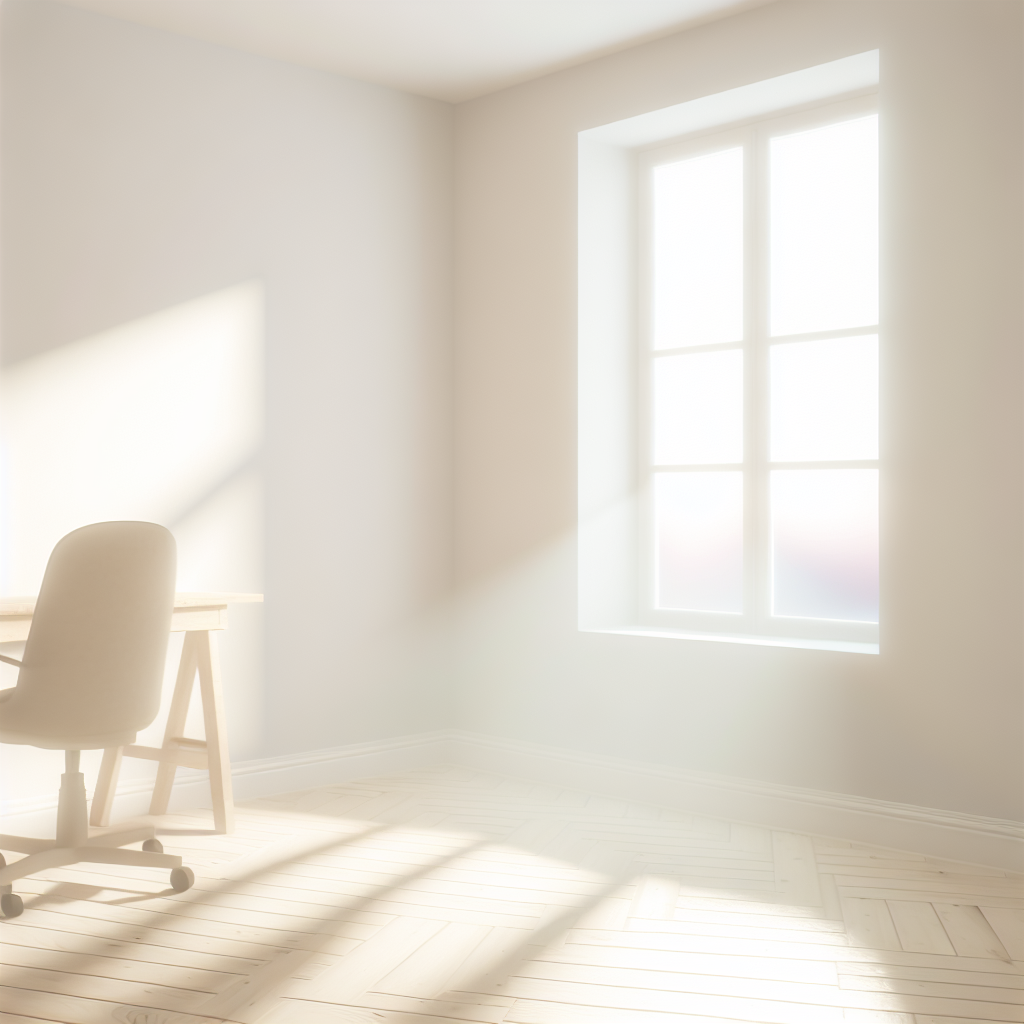
James converted a spare bedroom to a home office but found it acoustically problematic—hard surfaces created echo, making video calls unpleasant, and street noise from the front-facing window was distracting.
Interventions
We addressed both internal acoustics (reverberation) and external noise. A large area rug, upholstered desk chair, and acoustic panels on side walls reduced echo dramatically. Heavy curtains on the window cut street noise while allowing natural light.
James also added soft furnishings—cushions on a small reading chair, a throw over the chair back—that served dual acoustic and comfort purposes.
Results
The combination of reduced echo and lower ambient noise transformed the space. Colleagues commented on improved audio quality in video calls. James reports feeling more professional and focused in the space.
Reverberation time dropped from 1.4 seconds (harsh, echo-prone) to 0.6 seconds (controlled, pleasant). This single metric captured the dramatic subjective improvement.