While most acoustic improvements require no specialized equipment, certain tools and products can enhance your results. Below are our carefully tested recommendations organized by budget and purpose.
Assessment Tools
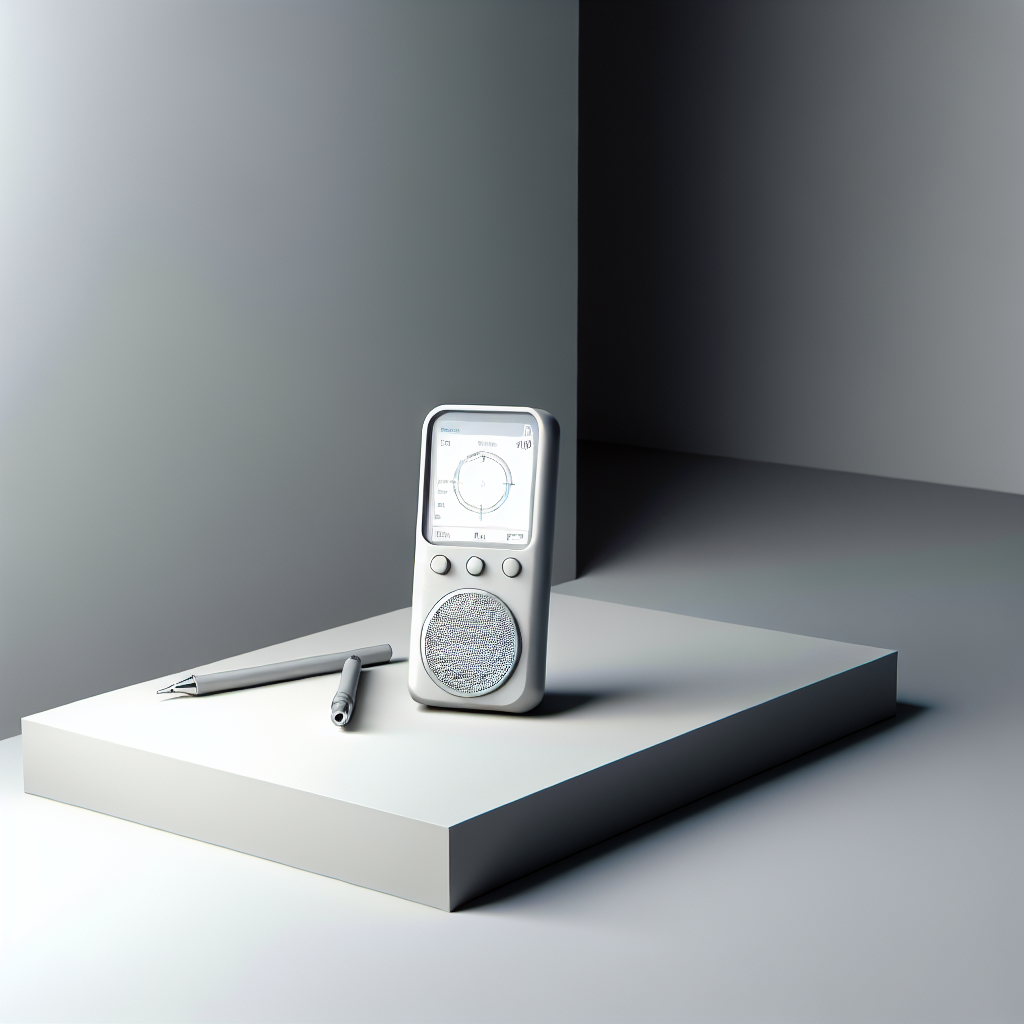
Sound Level Meter
A basic decibel meter helps you objectively measure noise levels and track improvements over time. Budget models from Tacklife or Dr.Meter provide adequate accuracy for home use. For more precise measurements, consider the BAFX or Reed instruments.
Smartphone Apps
Apps like "Decibel X" (iOS) or "Sound Meter" (Android) provide reasonable noise measurement using your phone's microphone. While less accurate than dedicated meters, they're useful for general assessment and tracking patterns over time.

Acoustic Enhancement
Door Sweep/Draft Excluder
Self-adhesive door sweeps from brands like Stormguard or Exitex seal the gap under doors, dramatically reducing sound transmission between rooms. Choose sweeps with rubber or brush sealing for best results. Installation takes minutes and requires no tools.
Heavy Curtains with Thermal Backing
Dunelm, John Lewis, and IKEA offer thermal-backed curtains that provide excellent sound dampening alongside insulation benefits. Look for products described as "blackout" or "thermal" with weights above 300gsm. Full-length curtains extending beyond window frames work best.
Acoustic Panels
For targeted treatment of problem areas, acoustic panels absorb sound and reduce echo. Budget options from Advanced Acoustics provide good performance. For aesthetics, consider fabric-wrapped panels from GIK Acoustics or Audimute that blend with home decor.
Thick Area Rugs with Padding
High-pile rugs over quality padding provide excellent sound absorption on hard floors. IKEA's Stockholm and Vindum collections offer good acoustic performance at reasonable prices. Always use thick underlay—it matters as much as the rug itself.
Sleep Optimization
White Noise Machine
For masking unavoidable nighttime noise, machines like the LectroFan or Yogasleep Dohm generate consistent sound that obscures variable noise. Choose models with multiple sound options to find what works for you. Avoid machines with looping patterns—true random noise works better.
Soft Earplugs
High-fidelity earplugs like Loop Quiet or Flare Calmer reduce noise volume while maintaining sound quality. More comfortable for sleeping than foam plugs, and washable for extended use. Consider trying multiple types to find your preference.
Blackout Eye Mask
While not acoustic equipment, combining light blocking with noise reduction significantly improves sleep quality. The MZOO and Mavogel masks offer good value. Deeper masks that don't pressure eyes work best.

Optional Enhancements
Weather Stripping for Windows
Self-adhesive foam or rubber strips seal gaps around window frames, reducing both drafts and noise transmission. D-profile or V-strip designs from Stormguard or Duck Brand work well for most window types.
Furniture Pads
Felt or rubber pads under furniture legs reduce vibration transmission and allow quieter movement. Cork pads work particularly well under heavy items. Helps minimize noise you generate as well as isolating vibration from external sources.
Small Water Fountain
Desktop fountains create pleasant masking sound that can obscure traffic noise or neighbor activity. Choose models with adjustable flow for volume control. Natural stone designs from brands like Zen Light tend to produce more pleasant sounds than plastic alternatives.
What NOT to Buy
Ultrasonic Noise Blockers
Devices claiming to "block" or "cancel" noise in open spaces through ultrasonic technology don't work as advertised. Active noise cancellation only functions in enclosed spaces (like headphones) or with substantial equipment. Save your money.
Expensive "Acoustic Paint"
Special acoustic paints offer minimal benefit compared to their cost. Standard paint with soft furnishings achieves better results for less investment. Focus budget on proven interventions.
Note: We receive no commissions or affiliate income from these recommendations. Products are selected based purely on effectiveness, availability in the UK, and value for money. Prices are approximate as of early 2026 and may vary by retailer.